Direct Deposit Payday Loans

EB

Elena Brooks

Certified Financial Planner (CFP®) · Updated July 2026

Finance Guide
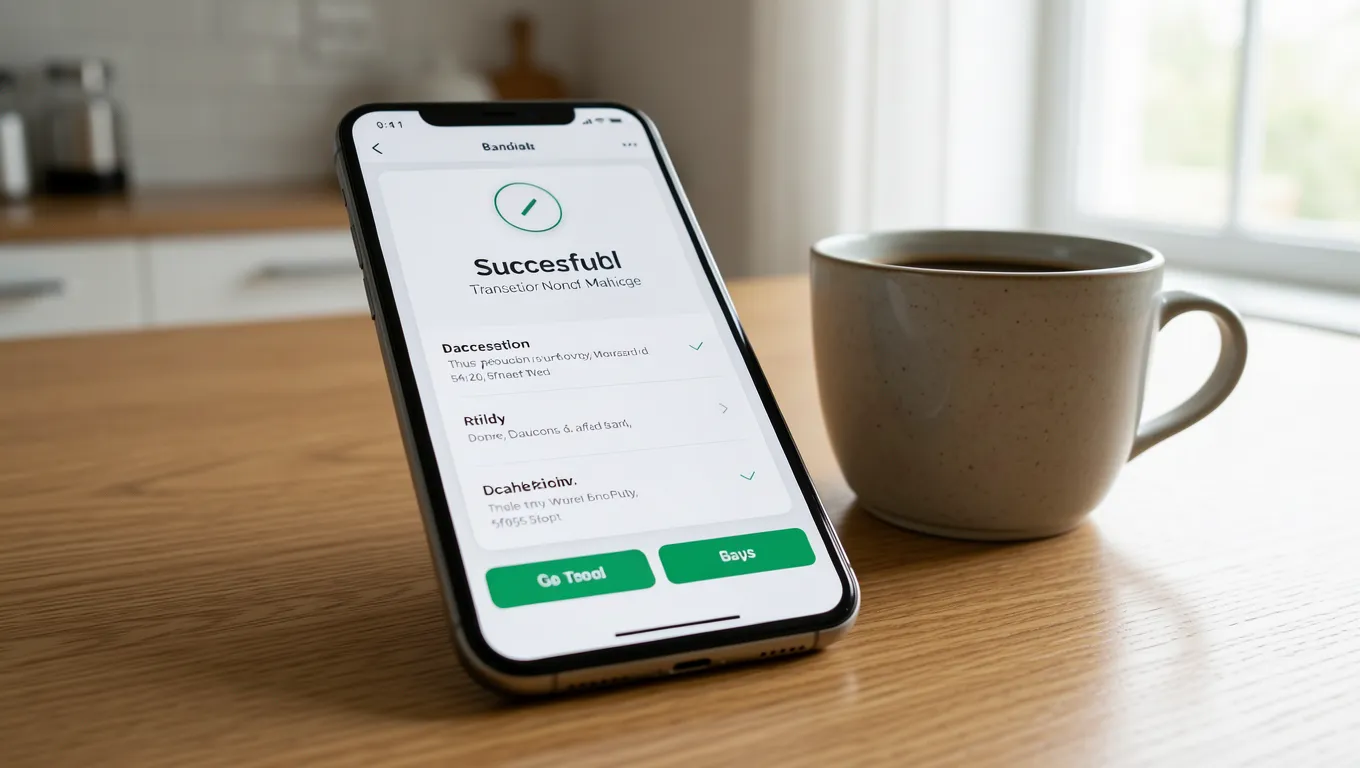
Smartphone displaying a successful bank transfer on a kitchen table

Frequently Asked Questions

How fast will I receive my money via direct deposit? +
The timing of your funds depends heavily on the lender and the time of day you are approved. While some lenders may offer same-day funding if processed early in the morning, most typical timelines range between 24 to 48 hours. Always check with your specific lender to understand their exact disbursement schedule.
Will applying for a direct deposit loan affect my credit score? +
It depends on whether the lender performs a soft or hard credit inquiry. Many comparison platforms perform a soft pull, which does not impact your score, but if a lender proceeds to a full application, they may conduct a hard inquiry that could cause a small, temporary dip in your credit rating. You should always ask the lender about their inquiry process before submitting personal information.
Can I use a prepaid debit card for direct deposit? +
Most lenders require a traditional checking or savings account that is linked to a verified routing and account number. This is because they need a reliable way to verify your identity and ensure the ACH transfer can be successfully processed. Many prepaid cards are not compatible with these automated banking systems, so it is best to use an established bank account.
What is a common mistake when taking out a short-term loan? +
One of the most frequent mistakes is failing to calculate the total amount that will be repaid over the life of the loan. Borrowers often focus only on the monthly payment and forget how much interest accumulates over time, which can lead to unexpected financial strain. Always ask for a breakdown of the total repayment amount before agreeing to any terms.
Are there specific requirements for my income? +
Yes, most lenders require proof of regular, recurring income to ensure you have the capacity to repay the loan. This could be from a W-2 job, self-employment, or government benefits like Social Security. Lenders may ask for recent pay stubs or bank statements to verify these earnings before they can approve an application.

Related Pages