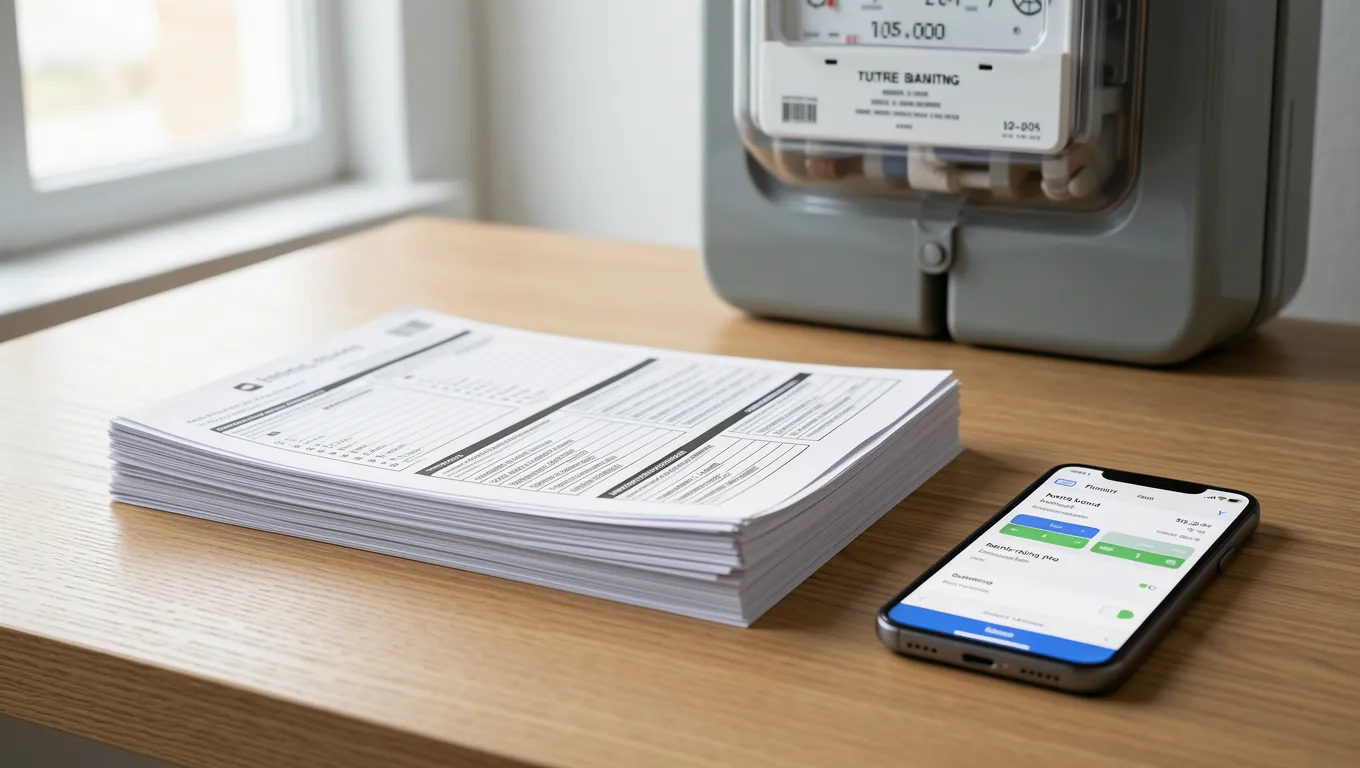
Finding ways to cover essential service costs can be difficult when unexpected expenses arise. We help you find lenders that offer short-term assistance for your utility needs.
No hard credit pull · Takes 2 minutes
Won't impact your credit score
Fill out a brief application to share your basic financial needs and preferred repayment timeline.
Review the lenders that may match your profile, comparing their specific terms and interest rates.
If you find an option that suits your budget, complete the final application directly with the lender.
Facing an unexpected surge in your electric bill can create immediate stress for any household budget. When monthly expenses for heating, water, or electricity exceed your available cash flow, many residents look toward payday loans for utility bills as a temporary solution. These short-term financial products are designed to bridge the gap between paydays, allowing you to maintain essential services while managing your ongoing debt-to-income ratio. It is important to note that lenders may have different criteria for approval based on your specific credit utilization and income stability.
When evaluating these options in 2026, it is vital to understand the cost of borrowing. While some people seek quick cash, many personal loans or short-term installment loans come with an APR range typically spanning from 6% to 36%, though this varies significantly based on your credit profile and the lender's specific policies. According to guidance from the CFPB, consumers should always look closely at the total cost of a loan, including any potential origination fees or late payment penalties that could increase the overall amount owed.
Navigating these choices requires a clear understanding of your financial standing. Lenders often review more than just a single credit score; they may also examine your banking history and employment status to ensure you can manage the repayment schedule. By using PaydaySeek, you can explore various lenders at once, giving you more control over which terms align with your current budget for electricity, water, or gas.
| Loan Type | Speed of Funding | Typical Interest Rate | Repayment Structure |
|---|---|---|---|
| Short-Term Payday Loan | Very Fast (1-2 Days) | Higher APR | Lump Sum Repayment |
| Personal Installment Loan | Moderate (1-5 Days) | Lower/Fixed APR | Monthly Payments |
| Credit Union Loan | Variable | Often the Lowest | Scheduled Installments |
| Line of Credit | Fast (Upon Approval) | Variable APR | Flexible Drawdown |
| Utility Assistance Programs | Slow (Weeks/Months) | Often $0 or Low | Grant-based |
Eligibility for financing often depends on a variety of factors that lenders use to assess risk. While some people believe they need perfect credit, many lenders look at your broader financial health, such as your steady income and current debt-to-income ratio. In 2026, the landscape of lending has become more nuanced; some providers may prioritize your history of on-time rent or utility payments over a traditional FICO score from bureaus like Experian or Equifax.
It is important to understand that approval is never guaranteed and depends entirely on the individual lender's internal policies. Some lenders may conduct a soft credit inquiry to show you estimated rates, which does not impact your score, while others might require a hard pull during the final application process. If you are looking for ways to manage these costs, it is helpful to have documentation ready, such as recent pay stubs or bank statements, to verify your ability to repay the loan according to the agreed terms.
Many borrowers find that using a small personal loan to cover a utility bill can be more manageable than high-interest payday products. By selecting an installment-based repayment plan, you may be able to spread the cost over several months, which can reduce the immediate pressure on your monthly budget and help maintain a healthier credit utilization rate over time.
When you are searching for payday loans for utility bills, the interest rate is perhaps the most critical number to understand. The Annual Percentage Rate (APR) represents the total yearly cost of your loan, including both interest and any mandatory fees. According to data from the Federal Reserve, understanding how compounding interest works can help consumers avoid excessive debt accumulation when using short-term financial tools.
It is common for lenders to offer different terms depending on your specific profile. For instance, a borrower with a higher credit score may qualify for a fixed-rate installment loan, which provides the stability of knowing exactly how much you will pay each month. Conversely, those seeking immediate cash might encounter variable rates that can fluctuate, making long-term budgeting slightly more complex. Always read the fine print regarding origination fees, as these are often deducted from your initial loan amount and can affect how much actual cash you receive.
Managing these costs requires a proactive approach to your finances. If you use a loan to cover an emergency utility bill, try to create a repayment plan that accounts for the new monthly obligation before it becomes due. This prevents a cycle of borrowing to pay off previous debts, which is a key component of maintaining long-term financial stability in 2026.
Using short-term financing to cover essential services like electricity or water can be a helpful tool, but it must be used responsibly. One of the most common pitfalls is borrowing more than you actually need to cover the bill. It is often better to borrow only the exact amount required for the utility provider to avoid unnecessary interest accrual on funds that were not strictly necessary.
Another way to protect your finances is to stay aware of your repayment schedule. Many lenders offer automatic payment options, which can be a lifesaver in ensuring you never miss a due date. Missing a single payment could result in late fees and potentially impact your credit score through reports sent to major bureaus like TransUnion.
Finally, always consider the total cost of the loan before signing any agreement. If you find that the interest rates are significantly higher than what you can afford to pay back in your next pay cycle, it may be worth exploring other options such as contacting your utility provider directly for a payment plan or looking into local community assistance programs.
Depending on your credit and timeline, emergency use loans and fast cash for emergencies can be worth a look too.
Always look at the total APR rather than just the monthly interest rate to understand your true cost.
Ensure you have recent pay stubs ready, as this can help lenders verify your ability to repay more quickly.
Using autopay is the best way to ensure you never face a late fee from your lender.
Do not settle for the first offer; compare different lenders to find the most affordable terms for your situation.
We provide a clear view of different lenders so you can see the terms that fit your budget.
Our system is designed to help you find potential matches quickly when time is of the essence.
You decide which lenders are right for you; we never pressure you into a specific choice.
We provide clear information to help you understand the costs and terms of your options.
Adjust the sliders to see an instant estimate. Actual rates depend on your credit profile.
* Estimate only. Actual rate and terms depend on lender approval.
Estimated Monthly Payment
$332.14
per month for 36 months
No impact on your credit score