The Impact of Inflation on Emergency Needs in 2025
PN
Priya Nadar
Personal Finance Editor · Updated August 2026

Priya Nadar
Personal Finance Editor · Updated August 2026
As we move through 2026, looking back at the economic landscape of 2025 reveals a profound shift in consumer behavior. Many households found that the 'safety net' they once relied on was being stretched thinner by the rising costs of essential goods. It was not uncommon for families to see their monthly grocery or utility expenditures increase by 15% to 20% compared to previous years, creating a sudden liquidity gap. This trend transformed the very nature of emergency borrowing; what used to be loans for unexpected car repairs or medical bills became tools for bridging the gap between stagnant wages and rising living costs. It is important to note that borrowing should only be considered when necessary and always with a clear repayment plan in mind.
During this period, we observed significant changes in loan profiles. The average amount requested for personal loans often fluctuated between $1,500 and $5,000 as people sought to cover immediate needs like home maintenance or transport costs. Furthermore, the cost of that capital changed; APRs (Annual Percentage Rates) for personal loans in 2025 often ranged from 6% to 36%, depending heavily on an individual's credit profile and the lender's specific terms. Understanding these dynamics is crucial if you are evaluating your own financial strategy today.
This article will help you understand how inflation influences the cost of debt, why borrowing patterns shift during economic volatility, and how to navigate these choices responsibly. We will examine the differences between different types of credit and provide a framework for deciding whether an emergency loan is truly the right path for your current situation.
In a stable economy, personal loans are frequently used for discretionary or long-term investments, such as home improvements or consolidating high-interest debt. However, during the inflationary spikes seen throughout 2025, we observed a pivot toward 'necessity borrowing.' When the price of basic commodities rises, the frequency of small, urgent financial needs increases. For example, an unexpected car repair that might have cost $800 in a low-inflation environment could easily reach $1,200 due to the rising costs of parts and labor.
This shift creates a psychological change in how borrowers view debt. Instead of seeing a loan as a way to enhance their lifestyle, many viewed it as a way to maintain their current standard of living. This distinction is vital because borrowing for 'maintenance'—keeping your life running—is fundamentally different from borrowing for 'growth.'
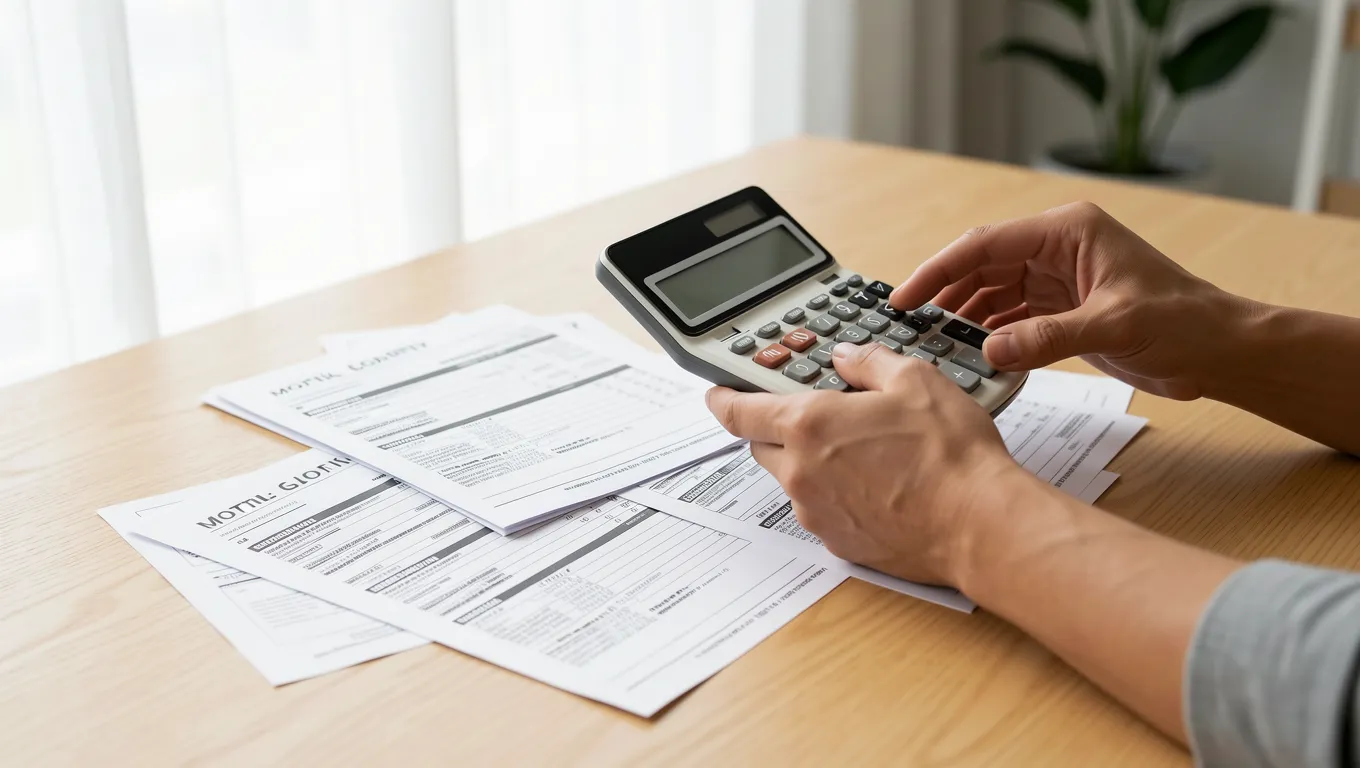
One of the most subtle dangers of sustained inflation is the creation of a debt cycle. When the cost of living increases, the amount of 'disposable' income available at the end of the month shrinks. This leaves little to no buffer for true emergencies. If a household has to use credit to pay for groceries in one month, they may find themselves unable to pay back that credit by the next month because their baseline expenses have permanently increased.
Data from major credit bureaus like Experian often shows how consumer behavior shifts during these periods. We see an increase in 'revolving debt' usage as people use credit cards for daily necessities. While this provides immediate relief, it can be much more expensive than a fixed installment loan. The danger lies in the interest compounding on essential spending; you are essentially paying interest on your food and fuel, which drastically increases the long-term cost of those items.
For instance, if a consumer carries a $2,000 balance on a credit card with an 18% APR to cover rising household costs, they could end up paying hundreds of dollars in interest alone over several months. This effectively means inflation is being compounded by high-interest debt, making it even harder to escape the cycle without a structured repayment plan or a shift in spending habits.
When faced with an immediate need for funds, many people weigh their options between using a credit card (revolving credit) and taking out a personal installment loan. Each has distinct trade-offs that become more pronounced during inflationary periods.
On one hand, traditional credit cards offer high flexibility. You can use them as needed and only pay interest on what you spend. However, the APRs are often significantly higher than those of personal loans, and if you only make minimum payments, the debt can linger for years. On the other hand, a personal installment loan typically offers a fixed monthly payment and a set end date. This predictability is highly beneficial when you are trying to manage a tight budget in an uncertain economy.
It is important to understand that your ability to borrow is not just about your credit score; it is also deeply connected to the broader economy. In 2025 and into 2026, central bank policies—such as those from the Federal Reserve—have played a massive role in determining interest rates. When the Fed raises rates to combat inflation, the cost of borrowing for everyone typically goes up.
This creates a complex situation for the emergency borrower. While you are already dealing with higher prices at the grocery store, the 'cost' of the money you borrow to pay those bills may also be rising. This is why your credit profile becomes even more important during these times. A person with an excellent credit score might secure a loan at 8% APR, while someone with a lower score might face rates upwards of 30%.
Expert nuance suggests that in high-inflation environments, the 'real' interest rate is what matters most. If inflation is running at 5% and your loan has an interest rate of 7%, your effective cost is only about 2%. However, if you are borrowing from a source with extremely high rates to cover basic necessities, you are effectively losing money every month. Understanding this distinction can help you decide whether the debt is a manageable tool or a financial burden that will worsen your situation.
Before committing to an emergency loan, it is helpful to follow a structured decision-making process. This ensures that you are not making an emotional response to financial pressure, but rather a calculated one.
First, categorize the expense. Is this a 'Need' (something essential for your livelihood, like car repairs or medical care) or a 'Want' (an elective expense)? If it is a want, the best strategy in an inflationary period is often to delay the purchase. Second, perform a total cost analysis. Do not just look at the monthly payment; calculate how much you will have paid back in total by the end of the term.
The most dangerous mistake many borrowers make during inflationary periods is 'debt stacking.' This occurs when you take out one loan to pay off another, or use a credit card to cover the interest on a personal loan. While this might provide temporary relief, it creates a compounding effect that can lead to insolvency very quickly.
Another common pitfall is failing to account for the 'interest trap' in high-APR products. Some lenders may offer quick access to funds with terms that seem manageable at first glance, but once you factor in the total interest paid over the life of the loan, the cost is astronomical. Always read the fine print regarding prepayment penalties and total repayment amounts; some loans make it difficult or expensive to pay them off early.
Finally, avoid using debt to fund non-essential lifestyle changes that attempt to 'keep up' with inflation trends. If you find yourself borrowing money to maintain a certain standard of living while your actual income is decreasing, you are entering a high-risk zone. The goal should always be to use credit as a bridge for true emergencies, not as a permanent substitute for monthly income.
You may also want to review bad credit loans and payday loans for bad credit before deciding what works best.